

PUBLIC HEALTH ALERT - 8/18/26
Bat Tests Positive for Rabies in Coles County
The Coles County Health Department and the Coles County Animal Shelter are reminding residents to use caution around bats and other wild animals following confirmation of a bat that tested positive for rabies in Coles County.
The bat was submitted to the Illinois Department of Public Health (IDPH) laboratory for testing and was confirmed positive for rabies on August 13, 2026. This is the first bat reported to have tested positive for rabies in Coles County in 2026.
Rabies is a serious viral disease that affects the nervous system. Once symptoms appear, rabies is almost always fatal. However, rabies is preventable when appropriate treatment is provided promptly following an exposure and before symptoms develop.
See the official press release for tips on preventing rabies exposure for you and your pets:
http://www.colesco.illinois.gov/.../RabiesPressRelease.pdf

Tick Awareness
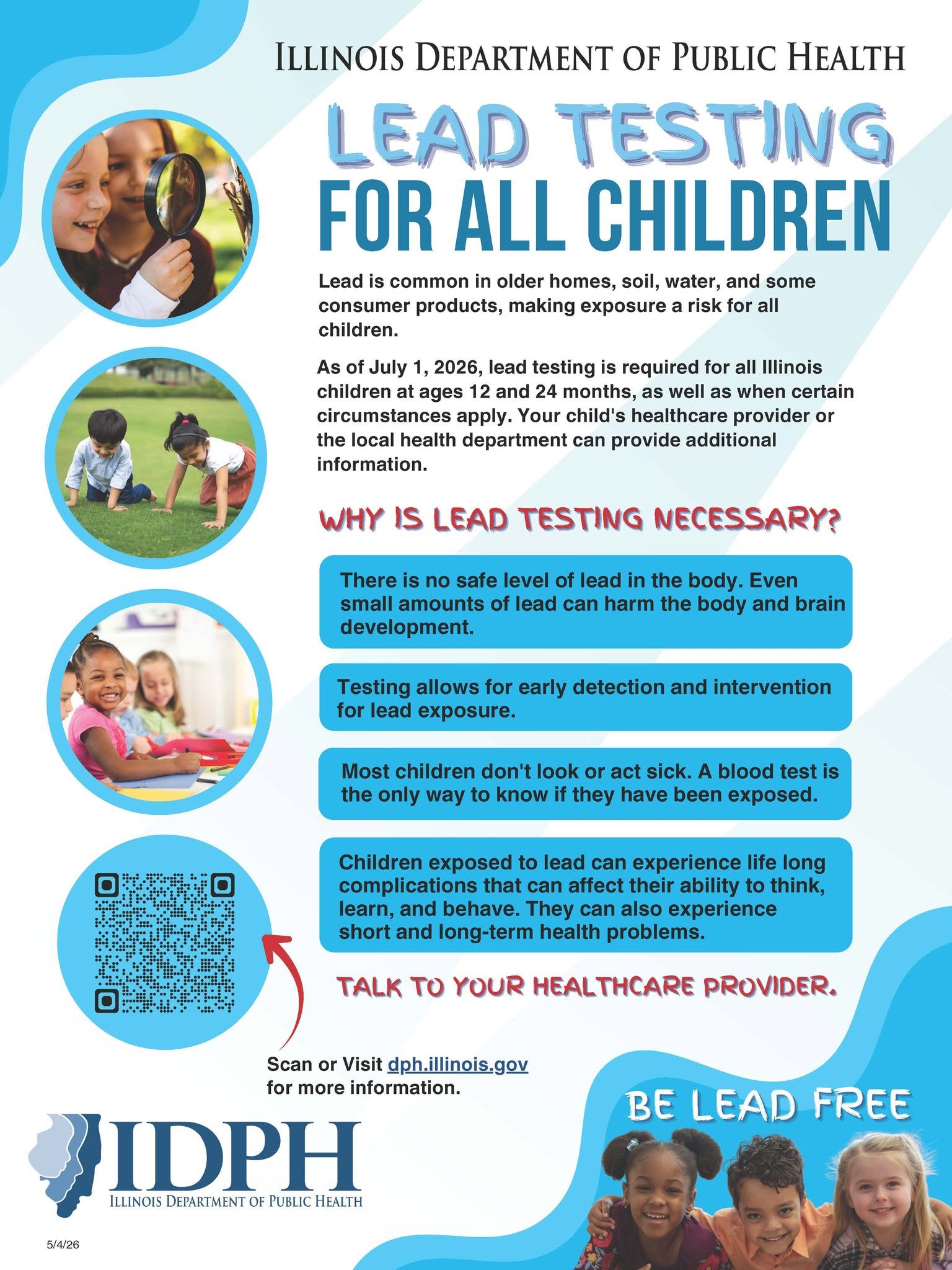
Ticks are active in Illinois, and they’re not picky about where they bite. 👀
If you’re spending time outdoors hiking, gardening, or mushroom hunting, a few simple precautions can help prevent tick bites and reduce your risk of illnesses like Lyme disease and alpha-gal syndrome.
If you find a tick, remove it quickly and watch for symptoms like a rash or fever. Contact your doctor if you develop unexplained illness after a tick bite.


IDPH News Release
IDPH Issues Reminder About Potential Hazards of Consuming Raw Milk
At least eleven recent illnesses linked to consumption of unpasteurized milk
SPRINGFIELD – The Illinois Department of Public Health (IDPH) is issuing a general reminder to the public about the potential dangers of consuming raw milk after at least eleven people were recently sickened by such products. While most milk products sold in the state are pasteurized, meaning they have been treated with heat to kill viruses, germs, and other substances that can cause illness, raw milk is milk that has not been pasteurized, making it more likely to be a source of foodborne illness.
“Pasteurization is one of the greatest public health successes of the last century,” said IDPH Director Dr. Sameer Vohra. “It helps keep milk and dairy products safe for everyone to enjoy. Raw milk skips this important step and can carry dangerous germs that may cause serious illness, especially in young children, older people, and individuals with chronic medical conditions. To help keep everyone in Illinois safe, we encourage people to be cautious and think carefully before choosing to drink raw milk.”
IDPH has so far identified an outbreak of eleven cases of Campylobacter infection that appear to be linked to consumption of raw milk from a common source; the producer is taking steps to notify customers and is cooperating with the investigation. Campylobacter is a bacteria that can cause diarrhea (which can be bloody), fever, and stomach cramps. In more severe cases, the infection can lead to irritable bowel syndrome, arthritis, and Guillain-Barré syndrome. IDPH recommends that anyone who has consumed raw milk and begins to exhibit those symptoms to contact their medical provider.
Illinois raw milk rules require testing for temperature, antibiotics, and certain signs that could indicate infection within the product. However, specific pathogen testing for germs like Campylobacter or other disease-causing agents like E. coli or salmonella is not required.
IDPH recommends the following precautions to avoid illnesses associated with milk consumption:
• Use pasteurized milk and dairy products.
• Refrigerate perishable foods at 40°F or colder to slow bacterial growth. Never leave perishable food out for more than two hours -- or one hour if exposed to temperatures above 90°F, like in a hot car or at a picnic.
• Throw away expired or spoiled food. When in doubt, throw it out.
For more information on raw milk and its potential hazards, go to Raw Milk and Your Health.


IDPH Warns Public to Watch Out for Rabid Bats
Over two dozen cases of rabies have been verified in bats across 14 Illinois counties. For information about rabies and what to do if you think you've been exposed, plus tips for keeping you family and pets safe from exposure, you can read the article on our
News page
Or read the original news release on the IDPH website at:
Board of Health Monthly Meetings
The minutes from the monthly Board of Health meeting will be made available for download on this page

 English
  Spanish